Meta Description: Learn how to organize rental contracts, utility bills, payment receipts, and household records in Mexico with CamScanner. Keep rental evidence, track expenses, and prepare for move-out.
Introduction
Renting a home in Mexico involves more than signing a contrato de renta (rental contract). Throughout a tenancy, you may accumulate recibos de luz (electricity bills), recibos de agua (water bills), phone bills, rent receipts, repair invoices, and messages about property maintenance.
These records serve different purposes. A rental contract documents the agreed terms, utility bills show recurring household charges, payment receipts help track expenses, and property-condition photos can document what a home looked like at a particular point in time. When these materials are scattered across paper folders, email attachments, and phone photos, finding the right record can become difficult just when you need it.
A practical digital filing system helps you keep related documents together and maintain a record of your tenancy from move-in to move-out. CamScanner helps you digitize paper documents, capture property-condition photos with Watermark Camera, and organize records for easier access when needed.
1. When Moving In: Keep a Record of Your Rental Agreement and Property Condition
Moving into a rental property often involves more than signing a contrato de renta. You may also need to keep records of the security deposit, initial rent payment, existing damage, and agreements with the landlord. Organizing these documents from the beginning can help you refer back to the original terms and property condition if questions arise later.
Use CamScanner to scan your rental contract, payment receipts, and written agreements. Auto Crop helps detect document edges, while Enhance can improve the readability of scanned pages. Check every page before saving to make sure important details, such as names, dates, rental terms, payment amounts, and signatures, are legible.
Use Watermark Camera to record the property’s condition at move-in. Before moving your belongings in, photograph existing scratches, wall stains, damaged fixtures, leaks, and other visible issues. Watermark Camera lets you add watermark information to photos, helping you identify and organize records from the move-in inspection.
For a more useful record, photograph issues from both a wider angle and a closer view. A wider shot helps show where an issue is located, while a close-up captures the details. If possible, make sure the photos cover relevant areas such as walls, floors, doors, windows, plumbing fixtures, and appliances included with the rental. Record the date and location of each issue in an inspection checklist, and share the findings with your landlord in writing when appropriate.
Keep these photos alongside the checklist and any messages exchanged with your landlord about existing damage or agreed repairs. If you discover a problem after moving in, document it promptly and keep related photos, repair estimates, invoices, and payment receipts together. This creates a more complete record of the property’s condition and any subsequent maintenance work or expenses.
Keep rental and payment records together. Save the rental contract, security deposit receipt, initial rent payment proof, and any written amendments in a dedicated folder. Check that the copies include all relevant pages and attachments, and retain records of any changes to the original agreement.
When moving out, these records may help you refer back to the property’s original condition, review repair-related expenses, and discuss the return of your security deposit. Keep the original photos and documents alongside any compiled PDF, as the original files may contain details that are useful when reviewing a disagreement. Watermarks and photos can support your recordkeeping, but they do not by themselves guarantee legal evidentiary value.
【Scan Documents Now】 →2. Every Month: Organize Utility Bills and Payment Receipts
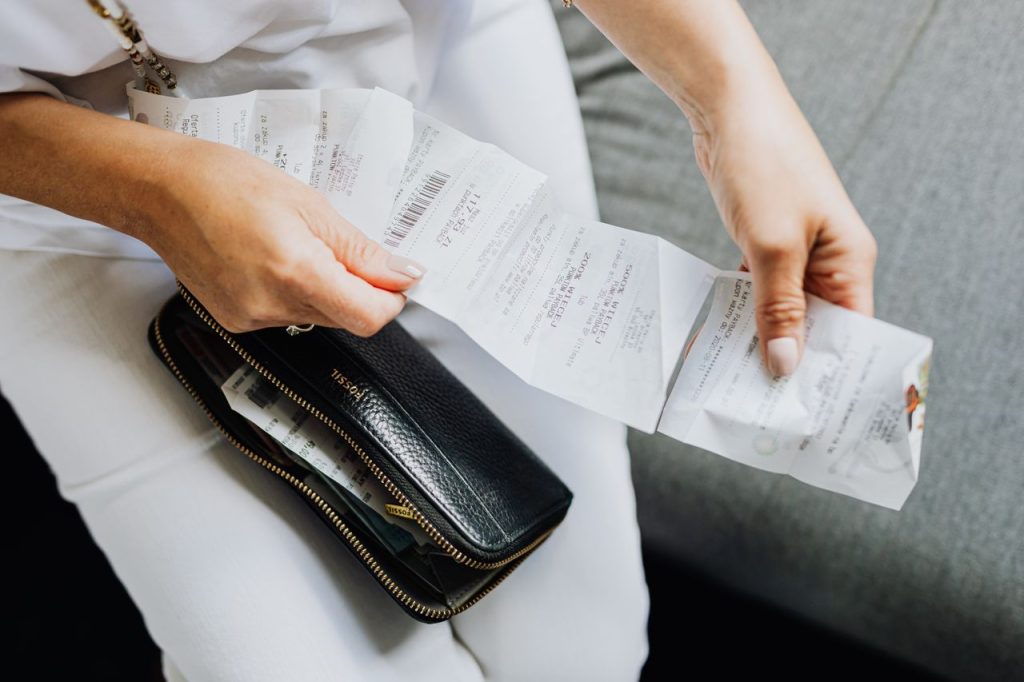
Electricity, water, and phone bills are recurring household expenses. Keeping each bill with its corresponding payment record makes it easier to check what was charged, confirm what was paid, and review previous billing periods.
Create separate categories for common household documents:
- Recibo de luz — electricity bill
- Recibo de agua — water bill
- Recibo de teléfono — phone bill
- Rent receipts and payment confirmations
Whenever you receive a paper bill, scan it and save it with a consistent file name. For example:
- Recibo_de_luz_2026-09.pdf
- Recibo_de_agua_2026-09.pdf
- Recibo_de_telefono_2026-09.pdf
- Renta_2026-09.pdf
Keep the payment confirmation with the relevant bill instead of saving all receipts in one unrelated folder. If a charge appears different from the previous month, you can compare the bills and payment records to understand the difference.
Check more than the amount due. When reviewing a bill, verify the billing period, service address, account reference, due date, and total charged. These details can help you distinguish a new bill from a previous one and identify a record that may need follow-up. If a payment is made through a banking app or online portal, save the confirmation that identifies the transaction and amount, while protecting any sensitive account information.
For shared housing, clarify how household expenses are divided and keep a record of the amount each person is responsible for paying. A utility bill and a transfer confirmation may document different parts of the transaction, so retaining both can make later reconciliation easier.
For households that need to provide proof of address, retaining utility bills in an organized archive can also make it easier to locate potentially relevant documents. However, accepted document types and validity periods vary by institution and procedure. Check the current requirements before submitting a bill, and do not assume that a document accepted for one application will automatically be accepted for another.
3. When Moving Out: Prepare Your Rental Handover Records
Moving out is a good time to review the records you have collected throughout the tenancy. You may need to confirm that rent and utility payments are up to date, review the original rental agreement, or discuss the security deposit and final handover.
Before returning the keys, organize the records you may need:
- The rental contract and written amendments
- Rent payment and security deposit receipts
- Utility bills and corresponding payment confirmations
- Move-in condition photos and records of reported issues
- Final utility bills and payment records
- Handover notes and messages about the security deposit
Check the final account status. Review your rental agreement for any requirements related to notice, the handover date, outstanding charges, and the return of the deposit. Check which utility bills cover the final period of occupancy and whether any amounts remain unpaid. If a final bill has not yet been issued, keep the available account information and follow up when the bill becomes available.
Keep a written record of the handover. Where appropriate, document the date the property was returned, the keys or access devices handed over, meter readings, and any agreed outstanding items. If both parties complete a handover checklist or confirm arrangements in writing, keep a copy with the rental records.
If the landlord raises a question about damage or deductions, you can review the move-in photos, later maintenance records, contract terms, and relevant payment documents together. A chronological record is often easier to understand than a folder of unrelated images and receipts.
A well-organized record set helps you trace the tenancy from the initial agreement through the final handover. Keep the original files and communications rather than relying exclusively on a single combined PDF, and retain documents for as long as they may be needed for contractual, financial, or practical reasons.
4. Scanning Tips for Rental and Household Documents
A few practical habits can make your digital records more reliable and easier to use.
Scan documents as soon as you receive them. Digitize contracts, bills, and receipts before they become mixed with unrelated paperwork. For important documents, check that all pages have been captured, including the reverse side if it contains relevant information.
Check readability before saving. Make sure names, dates, totals, signatures, account references, and small print are visible. Rescan pages with glare, shadows, blur, or missing information instead of assuming the details can be recovered later. For long contracts, review page order and confirm that no page has been skipped or duplicated.
Keep bills and payment proof together. A bill documents the amount charged, while a payment confirmation can help show that the amount was paid. Retain both when relevant, and use the same billing period in their file names.
Use Watermark Camera for property-condition photos. Capture existing damage and other relevant details before moving in. Take both overview and close-up photos where useful, and keep the original photos with related inspection notes or messages. Watermark information can help organize records, but it does not by itself guarantee legal evidentiary value.
Combine related pages when useful. For multi-page contracts or groups of related receipts, review the page order before merging them into one PDF. Keep original files separately when you may need to inspect individual photos or documents. A combined file can be convenient for reviewing a complete set of records, but it should not replace originals when those are important.
【Merge PDF Files】 →Protect personal information. Rental contracts and utility bills may contain home addresses, signatures, account details, or other sensitive information. Store them carefully, avoid sharing complete documents when only one page is needed, and check the recipient before sending files. If you create a copy for a particular purpose, make sure it includes the required information without unnecessarily exposing unrelated personal details.
Conclusion
Keeping rental contracts, utility bills, and receipts organized can make managing a home in Mexico easier throughout your tenancy. From reviewing your contrato de renta and documenting the property’s condition at move-in to tracking recibos de luz, recibos de agua, and payment confirmations each month, having the right records in one place can save time when questions about expenses, maintenance, or your security deposit arise.
With CamScanner, you can digitize paper contracts and receipts, use Watermark Camera to document the property’s condition, and organize related records into PDFs for easier review. OCR-related tools can also help you extract text from supported images, while a consistent folder structure makes it easier to locate documents when you need them. If you use Cloud Sync, remember to enable it and confirm that your files have synchronized successfully before relying on access from another device.
The goal is to build a household document archive that remains useful beyond a single payment or rental agreement. By scanning documents promptly, keeping bills with their payment records, and preserving move-in and move-out documentation, you can manage everyday paperwork more systematically and prepare for important rental discussions with relevant records at hand.
Start organizing your rental contracts, utility bills, and receipts with CamScanner to keep your household records easier to find and manage.
Sources & References
- Procuraduría Federal del Consumidor (PROFECO). Proceso para rentar casa o departamento.
https://www.gob.mx/profeco/documentos/proceso-para-rentar-casa-o-departamento?state=published - Instituto Nacional Electoral (INE). Documentos necesarios para tramitar credencial.
https://www.ine.mx/credencial/documentos-necesarios/